
A new year always comes with pressure.
New goals.
New tools.
New conversations about what you should be doing differently.
This year, that conversation is louder than ever — and it's almost always about AI.
AI can write content, launch campaigns, automate workflows, turn photos into videos, and answer questions instantly.
It's impressive.
It's powerful.
And for many teams, it's also uncomfortable.
Not because it isn't capable — but because it doesn't always feel right.
If you've ever tried using AI or automations and thought, "That's close… but not how we do it," you're not alone.
Most people end up correcting it, teaching it, refining it — until they think, "By the time I fix this, I could've just done it myself."
That frustration isn't user error.
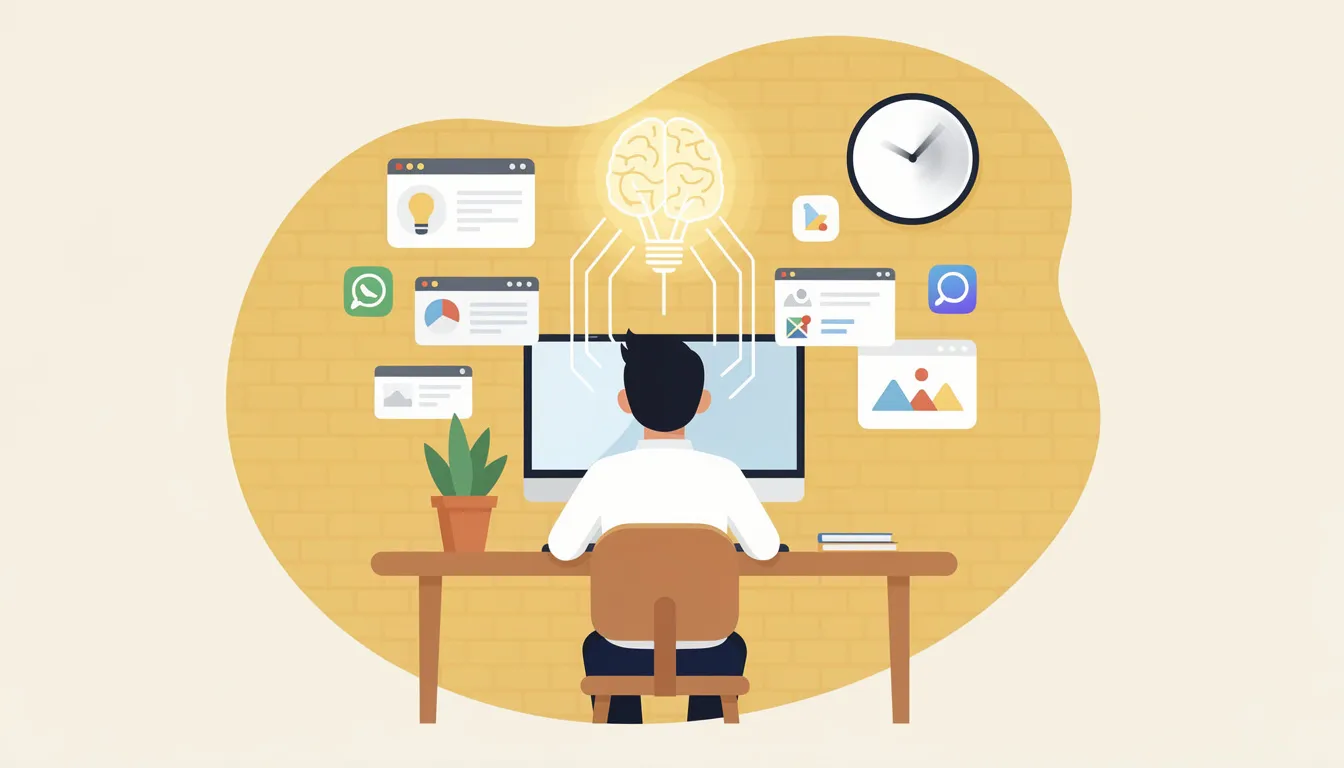
It's a missing-brain problem.
AI is the tool. The LLM is the brain behind it.
Right now, most businesses are using a very generic brain.
It knows everything — but it doesn't know you.
It doesn't know your systems, your language, your standards, or how your business actually operates day to day.
At the same time, AI is accelerating fast.
It's learning from massive amounts of data, backed by more investment than ever before, and improving faster than humans can keep up with.
Accuracy is increasing.
Confidence is increasing.
Here's what a "brain" looks like in business or practice:
- Brand guidelines and voice documentation. When AI knows your tone, your banned words, your preferred phrases, every piece of content sounds like it came from your team.
- Standard operating procedures. When AI understands your processes step-by-step, it can execute them correctly the first time.
- Client and project context. When AI has access to your CRM, project history, and client preferences, responses become personalized and accurate.
- Quality standards and checklists. When AI knows what "done right" looks like, it can self-check before you have to.
But usefulness still depends on clarity.
This year isn't about chasing tools.
It's about building foundations.
Because AI doesn't replace thinking — it reflects it.
And without a clear business brain, it only amplifies chaos.
Key takeaways:
- AI tools are advancing rapidly, but raw power without direction creates more problems than it solves
- Your business needs a "brain" for AI — a structured source of truth that includes your voice, processes, and standards
- Back-office operations benefit most because they involve repetitive, context-dependent tasks
- The goal isn't smarter AI; it's AI that knows you well enough to work independently
- Start by documenting what you wish every new hire already knew — that's your source of truth
The businesses winning with AI right now aren't chasing every new tool. They're building systems that make any tool work better for them.
AI is moving fast. Make sure it knows where it's going.


.png)

We're a digital marketing and design agency.


